

In September 2021, I left my first outpatient IR partnership and accepted a three-month locums assignment in Duluth, Minnesota. After spending the previous two years helping build an outpatient practice in North Carolina, I wasn’t particularly interested in returning to a traditional radiology job or immediately entering another business partnership. Locums offered an opportunity to make a good living while figuring out what I wanted to do next. I knew almost nothing about the Upper Midwest beyond what I’d learned watching Fargo, but three months seemed like a reasonable commitment.
I ended up staying considerably longer. Duluth had an established IR practice with two permanent physicians who shared many of my clinical interests. I enjoyed the work, developed relationships with the staff, became involved in clinic, and helped develop new services. I wasn’t simply showing up to perform procedures. I was functioning as part of a clinical practice, and I felt that my contributions were valued.
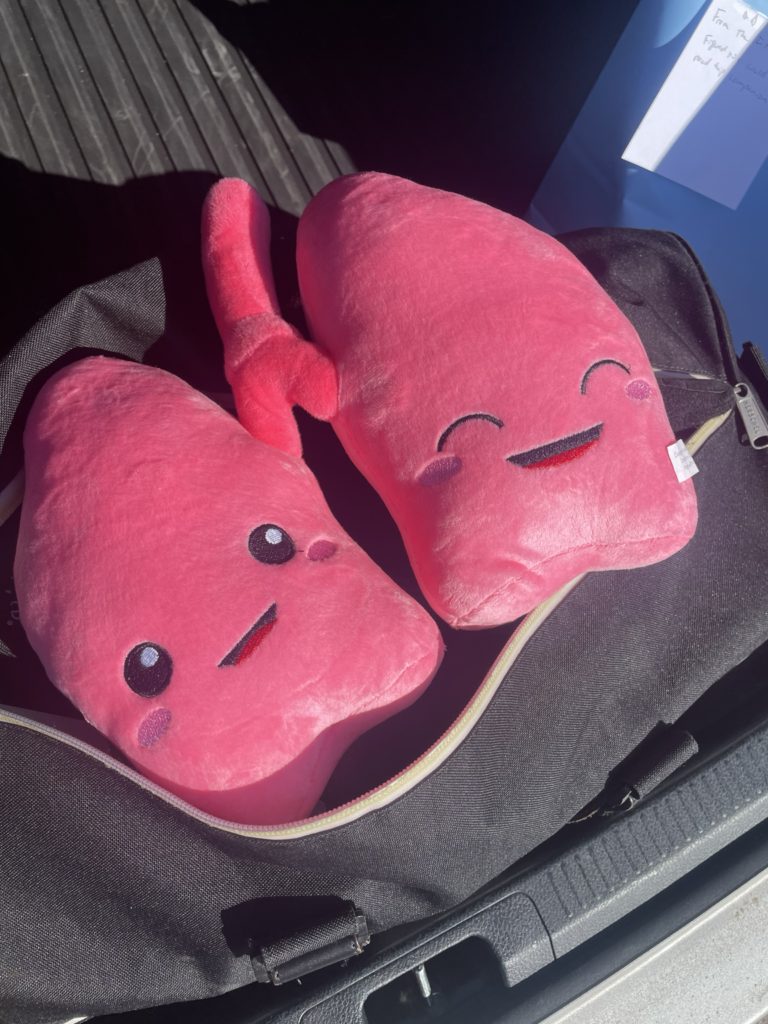
In 2022, I had a similar experience in Sioux Falls, South Dakota. I joined another established IR practice, developed friendships with the staff, and genuinely enjoyed working there. The team even gave me a parting gift of two pink stuffed lungs, apparently in recognition of my enthusiasm for lung biopsies.
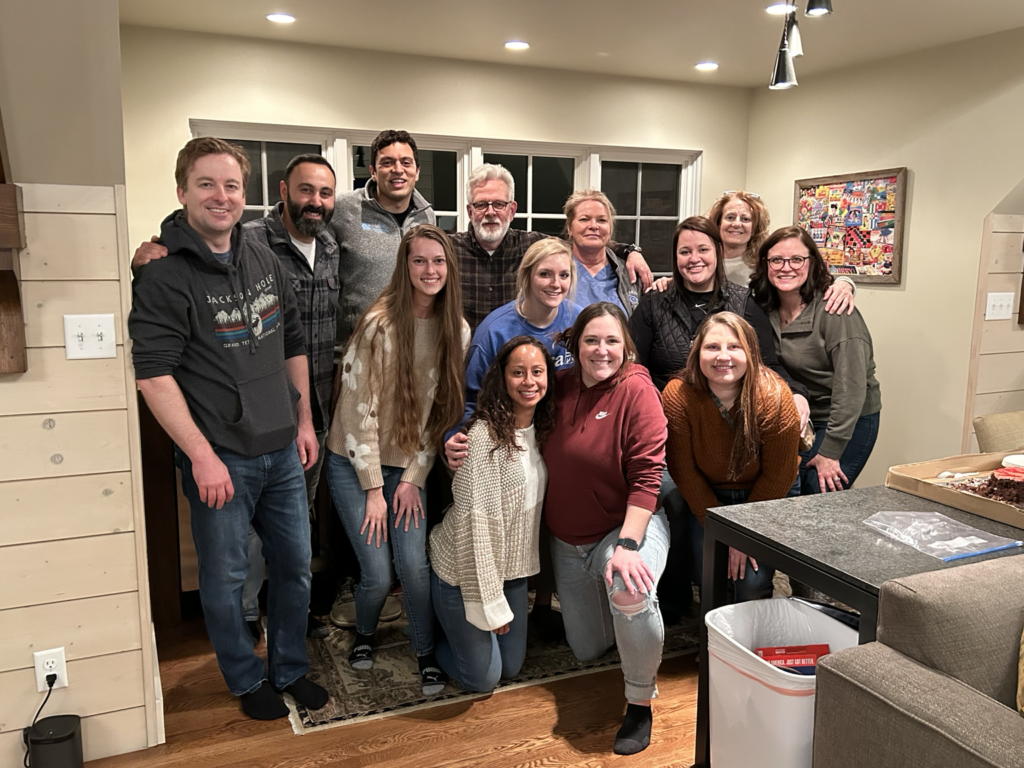
I’ve written about this period before in Everyone Is Replaceable. What struck me was how little my independent contractor status mattered to the actual practice of medicine. I was compensated well, controlled my schedule, and retained the freedom to pursue other interests. Yet I had colleagues I respected, staff I enjoyed working with, and patients whose care I was invested in. I had the professional relationships of an established practice without the restrictions of permanent employment.
Around this time, I met Ian Wilson, who had been thinking about a related problem. Ian had spent considerable time practicing in rural communities where recruiting and retaining interventional radiologists was an ongoing challenge. The traditional approach of recruiting a permanent physician wasn’t always realistic, leaving hospitals dependent on inconsistent coverage and physicians reluctant to accept positions with limited professional support.
Ian envisioned a network of experienced interventional radiologists who could share responsibility for providing IR services at these hospitals. Physicians could maintain flexible schedules while working together as a clinical team, and hospitals could establish a dependable service without relying on a single permanent hire. Along with Dana Dunleavy, we began developing that idea into Travelier.
From 2023 through 2025, we had an opportunity to test the model at Olean General Hospital in western New York. The three of us worked together to provide a consistent IR presence through a rotating group of physicians. We learned how to coordinate coverage, maintain clinical relationships, and provide continuity of care without requiring everyone to be permanently employed at the institution. Dana continues to serve as director of IR at Olean, and Ian continues to practice there. I stepped away in 2025 to focus on growing IGS Missouri.
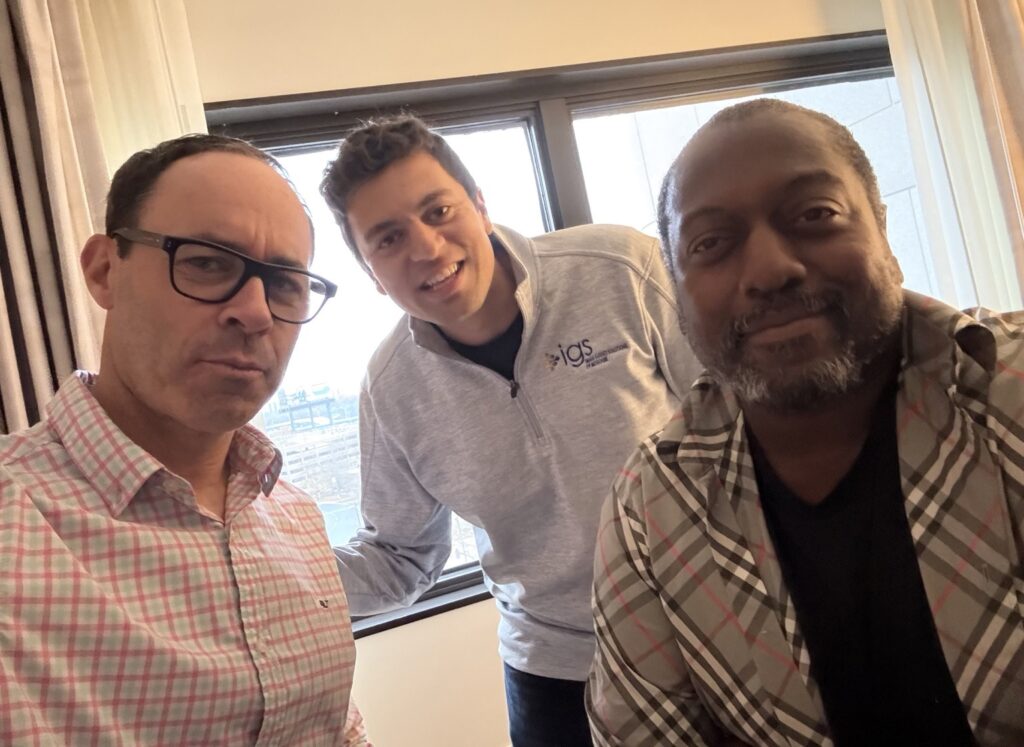
We discussed many of these ideas on our 2023 BackTable episode, Independent IR: More Than Locums, It’s a Calling. Our experience at Olean gave us a practical foundation for thinking about how to organize this model beyond a single hospital.
The IR Opportunity
Whenever we discuss establishing IR services at a smaller hospital, someone inevitably asks whether there’s enough work to support an interventional radiologist. It’s a reasonable question if your understanding of IR begins and ends with the inpatient procedural request list. It’s also a remarkably effective way to underestimate what an IR practice could become.
Hospitals have traditionally evaluated their need for IR by counting the procedures other physicians already request. How many ports, biopsies, drains, and dialysis interventions? How much physician coverage can that volume support? This makes sense if IR is viewed as a procedural support service. It makes considerably less sense if the objective is to develop a clinical practice.
IR has an extraordinary breadth of training, yet we continue to define our relevance largely through the work generated by other physicians. We take pride in being indispensable to the hospital, which often means being available to perform whatever procedure someone else has decided the patient needs. We confuse being busy with having a successful clinical practice, even though the two are not remotely synonymous.
The diseases we treat are common: peripheral arterial disease, venous disease, symptomatic BPH, uterine fibroids, vertebral compression fractures, and painful musculoskeletal conditions. I’ve previously argued that IR has the potential to positively impact well over 100 million Americans. That doesn’t mean every patient needs a procedure, but it does suggest that historical inpatient volume is an inadequate measure of the specialty’s potential.
A 2024 study in JVIR found that locally practicing IR physicians were present in only 15.5% of American counties. Nearly one-third of Americans lived in counties without a locally based IR. These figures don’t account for every visiting service, but they illustrate how concentrated our specialty remains.
I’ve tested the clinical-practice argument directly through Image Guided Solutions of Missouri, the independent outpatient IR practice I established in Columbia. When I opened IGS, I heard plenty of reasons why it wouldn’t work. There wouldn’t be enough referrals, patients wouldn’t find us, and the community couldn’t support a comprehensive independent IR practice. Eventually, I stopped trying to convince people otherwise and concentrated on building it.
IGS has since developed programs in venous disease, embolotherapy, vertebral augmentation and tumor ablation, and peripheral arterial disease. We now see approximately 30–40 patients in clinic each week, and the practice has grown beyond my original financial expectations. We built it through physician relationships, patient education, clinical pathways, and longitudinal care rather than waiting for an existing procedural referral stream to sustain us.
The economics of an independent OBL are different from those of a community hospital, and I wouldn’t pretend otherwise. But the experience has changed how I evaluate an IR opportunity. I want to know what patients in the community need, which services are missing, and whether the institution can support a responsible clinical program. The previous year’s biopsy count is useful information, but it isn’t the whole business plan.
Independence Without Isolation
One of the assumptions I find particularly frustrating in medicine is that independent practice necessarily comes at the expense of professional community. My experiences in Duluth, Sioux Falls, and Olean demonstrated otherwise. I was able to integrate myself into clinical teams, develop relationships, and contribute to patient care while maintaining considerable professional autonomy.
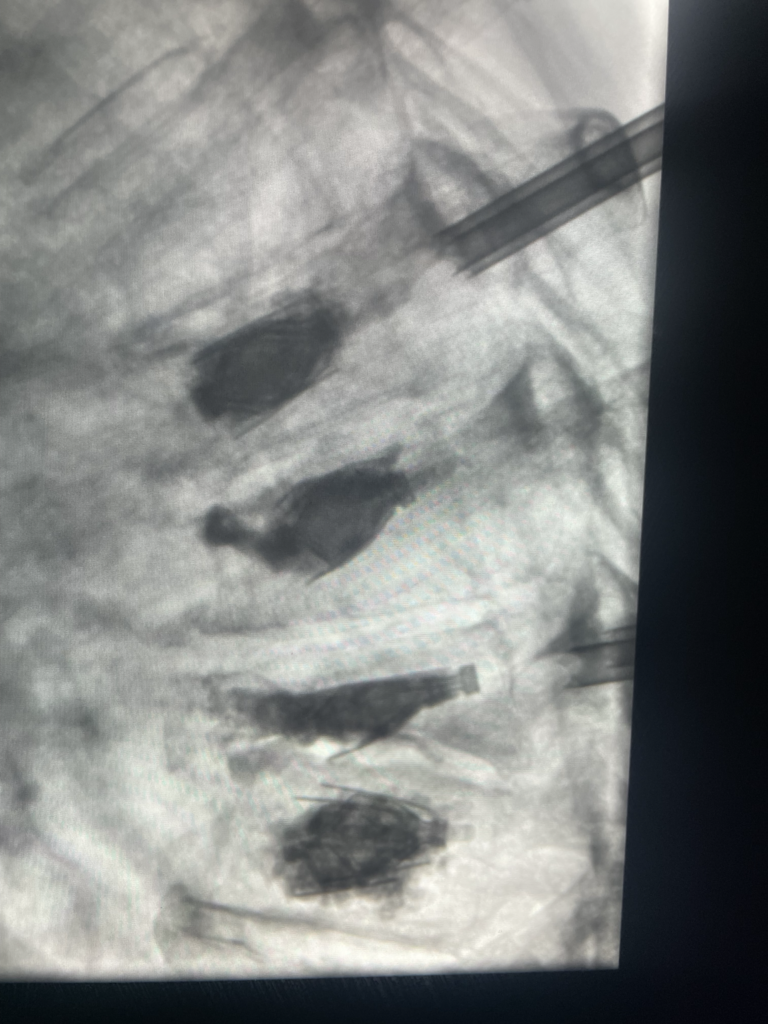
I had a memorable example while working in Duluth. I was treating a patient who required four-level bone tumor ablation and mechanical augmentation, a complex BAMA procedure. Dana, who had considerable experience with these interventions, mentored me virtually through the case. He wasn’t standing beside me in the procedure room, but his experience and guidance were available when I needed them.
Interventional radiology has become far too broad for any individual physician to master every aspect of the specialty. Access to colleagues with complementary expertise is particularly valuable for physicians working independently or in smaller institutions. We want Travelier to provide that professional community, allowing physicians to maintain their autonomy while benefiting from shared experience and mentorship.
We also believe physicians should have considerably more control over their professional lives. There are talented IRs who want to practice one or two weeks a month, pursue other businesses, spend time with their families, or simply work on terms that make sense for them. None of those preferences necessarily makes them less capable or less committed to their patients.
Many of us entered IR because we wanted to practice IR, not because we wanted to spend a substantial portion of our careers interpreting diagnostic studies to satisfy a radiology group’s staffing requirements. There is nothing inherently wrong with combined IR/DR practice, but it should be a choice rather than a requirement.
We intend to compensate our physicians well. I’m not interested in building a business whose success depends on finding increasingly creative ways to underpay the people delivering clinical care. Experienced IR physicians have valuable skills, and asking them to travel, contribute to a clinical program, and assume responsibility for patients requires compensation that reflects those contributions.
Beyond Procedural Coverage
My experiences working locums were overwhelmingly positive, and procedural coverage is an important service in its own right. Travelier’s objective, however, is to organize physicians around an ongoing hospital practice rather than a collection of unrelated assignments.
Olean taught us that this requires more coordination than simply dividing up the calendar. Patients need reliable follow-up, referring physicians need to know how to reach the service, and hospital staff need consistency in clinical decision-making. Physicians who rotate through the practice have to communicate with one another and take collective responsibility for what happens between their visits.
There are also practical limits to what individual hospitals can support. Equipment, nursing, credentialing, complication management, and appropriate patient selection all matter. Not every rural hospital should offer every intervention, and developing a responsible service sometimes means recognizing which patients are better treated elsewhere.
This is why recruiting the right physicians matters as much as securing hospital contracts. We’re looking for experienced IRs who are comfortable practicing independently, enjoy working with colleagues, and are willing to remain engaged in patient care beyond their scheduled procedural days. The model offers flexibility, but it also depends on physicians taking their shared responsibilities seriously.
Making It Work
As with most business ideas in medicine, recognizing the opportunity is considerably easier than executing it. Hospitals are complicated organizations. Contracting, credentialing, equipment, staffing, and administrative decision-making all create challenges. Exclusive radiology contracts can make matters even more difficult, particularly when existing arrangements limit the ability of independent IR physicians to practice at an institution.
The economics also have to work. Hospitals need financially sustainable programs, physicians need appropriate compensation, and Travelier needs sufficient margin to support the infrastructure required to coordinate these services. I don’t view profitability as being in conflict with clinical quality. A service that cannot sustain itself financially isn’t going to provide much long-term value to a community.
Building IGS has made me particularly attentive to the operational details that are easy to overlook when discussing a new business. Staffing, scheduling, authorizations, referral relationships, and patient follow-up all require deliberate attention. The procedures are often the most straightforward part of running a clinical practice.
What gives me confidence in Travelier is the experience Ian, Dana, and I bring to these problems. We’ve practiced in the environments we’re trying to serve, worked through the realities of coordinating a rotating physician team at Olean, and built clinical services ourselves. That doesn’t mean expansion will be easy, but it does mean we’re approaching the business with a realistic understanding of what the work involves.
If you’re an interventional radiologist who wants to practice at the top of your license, control your schedule, and work with colleagues who genuinely enjoy IR, I’d encourage you to connect with us at Travelier. We’re looking for clinically engaged physicians who value independence, professional collaboration, and the opportunity to help build something. We offer flexible independent contracting opportunities, competitive compensation, and access to experienced colleagues and mentorship. If you’re a hospital leader struggling to recruit an IR physician or establish a dependable service, we’d welcome that conversation as well. Travelier is our attempt to build a better arrangement for physicians, hospitals, and the patients who depend on both.